


Why Food Donation Is Important in India: How One Meal Can Change a Life
Food is one of the most basic human needs, yet many people still struggle to access regular, nutritious meals. Children, senior citizens, daily wage workers, and families facing financial hardship can find it difficult to meet their everyday food needs. At the same time, perfectly edible food can be left over after weddings, parties, festivals, restaurants, hotels, corporate events, and family gatherings.
This creates an important opportunity: food that might otherwise be wasted can become a meal for someone who needs it. Food donation is a simple but meaningful way to support people facing hunger, reduce avoidable food waste, and encourage stronger communities. A contribution does not have to be large. A meal, a grocery package, dry ration, or support for a food donation initiative can all become part of a larger effort to help people in need.
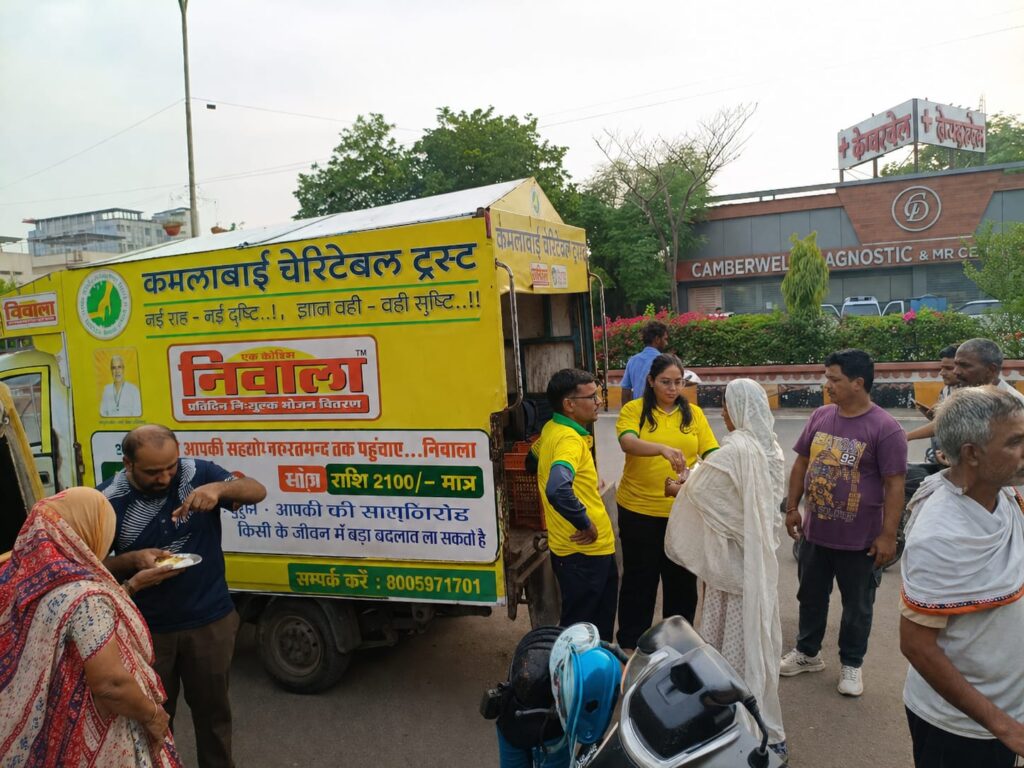
For Kamlabai Charitable Trust (KBCT), this mission is reflected in Niwala – Ek Koshish, its food-donation initiative focused on helping address hunger and food insecurity within the community.
What Is Food Donation?
Food donation means voluntarily providing suitable food or financial support for food assistance to people who may not have reliable access to meals. It can take many forms, including:
- Donating freshly prepared meals
- Providing dry ration and groceries
- Donating suitable packaged food
- Redirecting safe surplus food from events
- Supporting a charitable food program
- Organizing a community food donation drive
- Volunteering to help distribute meals
Food donation is not only about giving away extra food. When done responsibly, it can connect available resources with people who need them while promoting compassion and social responsibility.
Why Is Food Donation Important in India?
Food donation matters because it addresses several connected challenges at the same time. It can help people facing hunger, support vulnerable families, reduce suitable food waste, encourage community participation, and create opportunities for people to contribute to social welfare.
1. Food Donation Helps Fight Hunger :- The most immediate benefit of food donation is straightforward: it helps provide food to people who need it. For someone who has gone without an adequate meal, receiving nutritious food can provide immediate relief.
Food assistance can help:
- Reduce hunger
- Provide essential nourishment
- Support children’s growth and development
- Give people energy for everyday activities
- Reduce some of the pressure on financially struggling families
A donated meal may seem small to the person giving it, but it can be significant to the person receiving it.
2. Food Donation Can Help Reduce Food Waste :- Food requires land, water, energy, transportation, labour, and other resources before it reaches our plates. When safe and edible food is unnecessarily discarded, all of those resources have effectively been used without providing their intended benefit. Surplus food can sometimes be redirected to people who need it instead of being thrown away.
This is particularly relevant after:
- Weddings
- Festivals
- Birthday parties
- Corporate events
- Community gatherings
- Restaurants and hotels
- Family celebrations
However, food safety must always come first. Food should only be donated when it is safe and suitable for consumption and when the receiving organization accepts that type of food.
3. Food Donation Supports Children and Families :- Food insecurity can place additional pressure on families already dealing with financial difficulties. When parents struggle to afford regular meals, household resources may have to be divided between food, education, healthcare, housing, transportation, and other essential expenses. Food support can help reduce some of this pressure. For children in particular, access to regular nutritious food is important for healthy growth, energy, learning, and everyday development. Helping a family with food today can therefore contribute to a healthier and more stable future.
4. Food Donation Can Support Senior Citizens and Vulnerable People :- Older adults, people living alone, and individuals without adequate financial or family support may face additional challenges in accessing regular meals. For such individuals, food assistance can provide more than nourishment.
It can provide:
- Relief
- Care
- Dignity
- Human connection
- A sense that their community has not forgotten them.
- A strong community is one where vulnerable people are not left to face basic needs alone.
5. Food Donation Strengthens Communities :- Food donation brings people together around a shared purpose. Individuals can contribute a meal. Families can donate groceries. Restaurants can explore responsible ways to redirect suitable surplus food. Businesses can support food drives. Volunteers can help with collection and distribution. When these individual efforts come together, their impact can become much greater.
Food donation encourages:
- Compassion
- Volunteerism
- Community participation
- Social responsibility
- Collective action
- A culture of helping others
One person’s contribution can also inspire another person to participate.
Who Can Donate Food?
Food donation is not limited to large organizations or wealthy individuals. Anyone who wants to help can explore ways to contribute according to their ability.
Potential donors include:
- Individuals
- Families
- Restaurants and cafés
- Hotels
- Grocery stores
- Schools and colleges
- Corporate organizations
- Community groups
- Event organizers
- Social organizations
You can contribute a single meal, groceries, dry ration, or support a larger food donation initiative.
The size of a contribution is less important than the difference it can make.
What Food Can You Donate?
The type of food accepted depends on the requirements and food-safety guidelines of the organization receiving the donation.
Common forms of food support may include:
Freshly Prepared Meals :- Fresh meals can provide immediate nourishment to people who need food.
Dry Ration :- Items such as rice, flour, pulses, grains, and other essential groceries can help families prepare meals.
Packaged Food :- Sealed, properly stored, non-expired packaged food may be accepted by some charitable organizations.
Suitable Surplus Food :- Food left over from an event may sometimes be donated if it has been handled safely and remains suitable for consumption.
Always contact the receiving organization before donating large quantities or surplus cooked food.
How to Donate Food Responsibly
A food donation should be handled with the same care and hygiene that we expect for food served to our own families.
Follow these basic practices:
- Donate fresh and hygienically prepared food.
- Check expiry dates on packaged products.
- Store food appropriately before transportation.
- Use suitable, clean packaging.
- Contact the receiving organization in advance.
- Inform the organization about the type and quantity of food.
- Do not donate spoiled, contaminated, or unsafe food.
- Plan food donations in advance for weddings and large events.
Responsible food donation protects recipients and helps ensure that donated resources are used effectively.
How Small Food Donations Can Create a Big Impact
One common misconception is that a donation has to be large to matter. It doesn’t.
Impact often begins with one meal.
- One person can contribute a meal.
- A family can provide groceries.
- A restaurant can explore donating suitable surplus food.
- A group of friends can organize a food collection drive.
- A company can support a community food program.
- When many people contribute according to their ability, small acts can become a meaningful collective effort.
Instead of asking: “Is my contribution big enough?”
ask: “Who could my contribution help today?”
Food Donation Is About More Than a Meal
A food donation may meet an immediate physical need, but its impact can go beyond the meal itself. For someone facing financial hardship, receiving food can provide:
Nourishment — helping meet an essential daily need.
Relief — reducing the immediate pressure of finding food.
Dignity — showing that people facing hardship deserve care and respect.
Hope — reminding individuals that they are not alone.
Connection — bringing communities together around compassion.
This is why food donation should not be viewed simply as giving away food. It is an opportunity to support people and strengthen the communities around them.
How KBCT Is Helping Through Niwala – Ek Koshish
At Kamlabai Charitable Trust (KBCT), helping people access essential resources is part of a broader commitment to community welfare. KBCT was established on 12 April 2016. The trust works across areas including food, education, healthcare, and environmental initiatives. One of its dedicated initiatives is Niwala – Ek Koshish, which focuses on food donation and helping address hunger and food insecurity. The initiative provides a way for people to support food assistance through KBCT. The organization’s current donation options include support for meals for groups of people, along with custom contribution options. This creates an opportunity for individuals and organizations to turn their willingness to help into practical support for people in need.
Why Support KBCT for Food Donation?
Supporting a local charitable organization can make it easier for donors to contribute to an organized community initiative rather than trying to manage food distribution independently. KBCT’s work includes several community-focused initiatives alongside Niwala – Ek Koshish, including child education, healthcare, clothing support, environmental activities, and other welfare programs. By supporting KBCT, donors can contribute to a wider effort focused on helping vulnerable members of the community.
You Can Support KBCT By:-
- Supporting the Niwala – Ek Koshish food initiative
- Making a food-related donation
- Supporting a food donation drive
- Donating suitable groceries
- Organizing a community collection
- Volunteering your time
- Encouraging friends and family to participate
- Supporting KBCT’s wider community welfare programs
Conclusion: Every Meal Matters
Food donation is a simple act, but its impact can reach far beyond a single meal. It can help someone facing hunger, support a struggling family, provide nourishment to a child, offer care to an elderly person, and help ensure that suitable food is not unnecessarily wasted. You do not have to wait for a festival, wedding, special occasion, or large event to make a difference.
You can start with what you can give.
- A meal.
- A grocery package.
- Your time.
- Your support.
- Your voice.
Through Niwala – Ek Koshish, Kamlabai Charitable Trust provides an opportunity for individuals and organizations to support food-related community welfare efforts. By coming together, we can help create communities where people care for one another and where no one has to face hunger alone.
Every Meal Matters. Every Contribution Counts. Support KBCT’s Niwala – Ek Koshish initiative and take one meaningful step toward helping someone in need.
Frequently Asked Questions About Food Donation
Food donation is important because it can help people facing hunger, support vulnerable families, reduce suitable food waste, and encourage communities to participate in social welfare.
The main benefits include helping provide food to people in need, supporting nutrition, reducing avoidable food waste, helping vulnerable individuals, and strengthening community participation.
Individuals, families, restaurants, hotels, businesses, schools, community groups, event organizers, and other organizations can explore food donation according to their ability and the guidelines of the receiving organization.
Depending on the organization, suitable donations may include freshly prepared meals, dry ration, groceries, and sealed non-expired packaged food. Always confirm the organization’s current requirements before donating.
It may be possible if the food has been handled safely, remains suitable for consumption, and the receiving organization accepts such donations. Contact the organization before the event whenever possible to understand its requirements.
Yes. A single meal can provide immediate support to someone facing hunger, while many small contributions can collectively support a larger number of people.
You can support KBCT’s Niwala – Ek Koshish initiative through the organization’s food donation options or contact KBCT to learn about current opportunities for donating, volunteering, or supporting food drives.
Kamlabai Charitable Trust is based in Jaipur, Rajasthan. You can contact KBCT to learn more about food donation, volunteering, and other community initiatives.